Virtual Assistant Services Roadmap: Offers, Clients, Growth
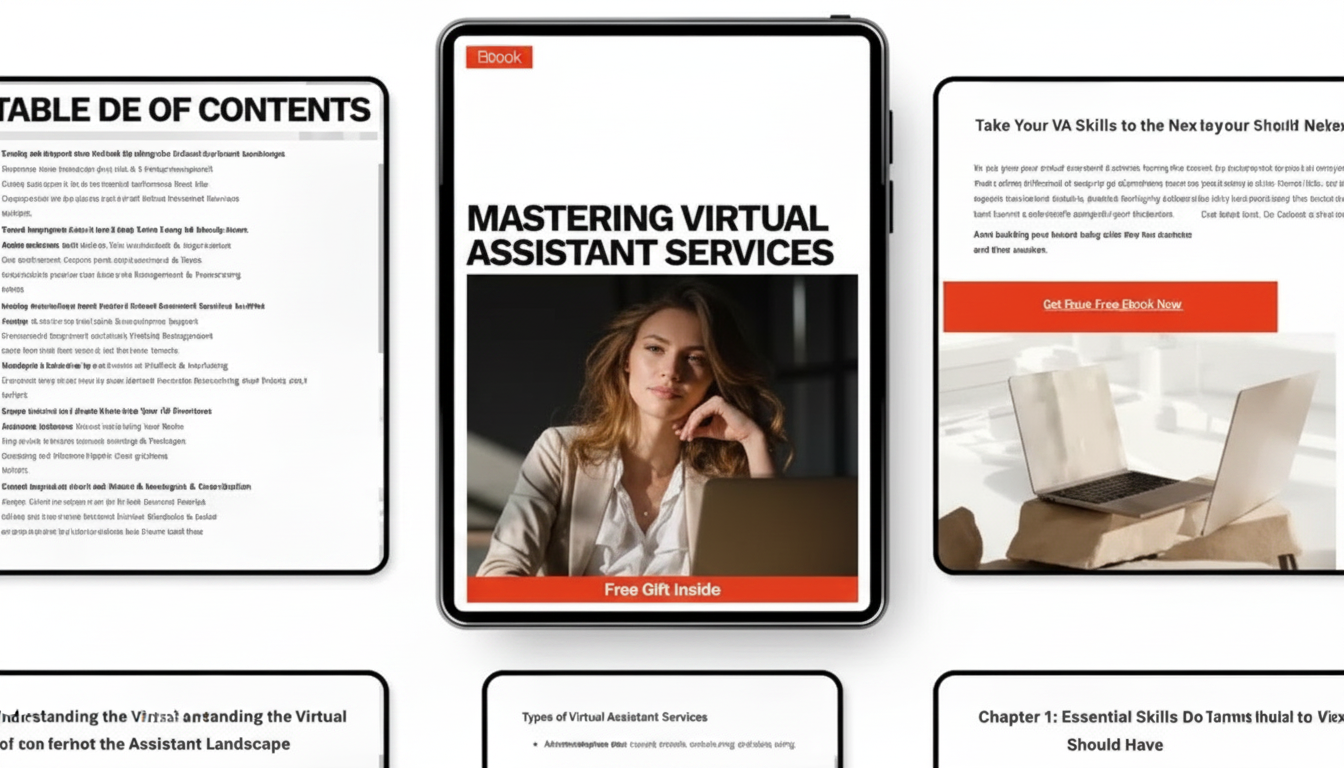
Mastering Virtual Assistant Services: A Practical Roadmap to Offers, Skills, Clients, and Sustainable Growth
Virtual assistant work can start as a flexible side income and evolve into a dependable, scalable business—when services, pricing, and client acquisition are handled with intention. The most successful VAs don’t just “do tasks”; they protect a client’s focus, smooth operations, and help revenue-moving work happen on time. Below is a practical roadmap for choosing services, packaging them, finding clients, and building systems that keep the work profitable without burnout.
What a Virtual Assistant Business Looks Like in Practice
A strong VA offer is defined by outcomes: hours saved, sales supported, customer experience improved, and projects shipped with fewer dropped balls. Common client types include solo founders, agencies, coaches, ecommerce brands, local service businesses, and busy executives who need reliable execution.
Most VA businesses start hourly, then stabilize with retainers or project packages. Over time, many VAs follow a maturity path: generalist starter → niche specialist → systems-led operator → small team/studio. Whatever model you choose, set expectations early: response times, work hours, communication channel, and standard turnaround windows. Clarity up front prevents scope creep later.
Services to Offer (and How to Choose a Profitable Mix)
Start with 2–3 “service lanes.” This reduces overwhelm and makes it easier for prospects to understand exactly what you do. High-demand categories often include admin support, inbox/calendar management, customer support, social scheduling, content operations, bookkeeping support, CRM updates, ecommerce operations, research, and travel planning.
Higher-paying lanes typically show up when you reduce chaos: SOP building, automation, funnel/launch support, project management, podcast operations, lead management, and analytics reporting. Choose services that match your current skills, your tolerance for repetition, and the urgency level clients will pay for. Most importantly: avoid overpromising tools or processes you can’t deliver consistently.
| Package | Best for | Includes | Typical cadence |
|---|---|---|---|
| Admin Essentials | Busy solo operators | Inbox triage, calendar, meeting notes, light research | 10–20 hours/month |
| Client Care | Service providers with leads | CRM updates, follow-ups, onboarding, scheduling, templates | Weekly workflow |
| Content Ops | Creators and coaches | Repurposing, uploads, scheduling, basic SEO formatting, asset tracking | 2–4 content cycles/month |
| Operations & Systems | Growing businesses | SOPs, tool cleanup, automation, handoffs, dashboards | Project-based or retainer |
Core Skills That Make Clients Stay
Retention is built on a few fundamentals. Communication is first: clear summaries, proactive updates, and concise questions that prevent rework. (If communication is a growth area, a focused guide like Speak Up, Shine Bright: Unlocking Confident Communication can help you tighten client updates, boundaries, and day-to-day clarity.)
Next is process thinking: documenting steps, reducing errors, and improving throughput over time. Add tool fluency—spreadsheets, shared drives, task managers, and basic automations—so you can plug into a client’s workflow quickly. Finally, treat trust as a skill: least-privilege access, secure password handling, and professional boundaries. Even small “quick favors” have a cost, so track time and profitability like a business owner.
A Simple Setup: Portfolio, Offer Page, and Proof Without Years of Experience
A portfolio doesn’t need to be complicated. A one-page layout can work: services, tools, mini case studies, and a clear contact method. Proof can be shown without long employment history—use before/after workflows, anonymized screenshots, checklists, SOP samples, or a mock dashboard that demonstrates how you think.
Finding Clients Without Relying on Luck
Choose two channels to start so effort compounds. A common pairing is a freelance platform plus direct outreach. Upwork’s overview of getting started is a helpful baseline: Upwork: How to Become a Virtual Assistant. Direct outreach works best when it’s specific: target one role or industry, identify a friction point, and offer a small, concrete fix (example: “I can clean up your customer support tags and build a response template library in 7 days”).
Qualify fast to avoid draining calls: confirm budget, decision maker, urgency, current tools, and communication style. For general marketing fundamentals, the U.S. Small Business Administration marketing and sales guide is a reliable reference.
Pricing and Scope: Getting Paid Well While Staying Easy to Hire
Delivery Systems: Onboarding, Weekly Rhythm, and Offboarding
Use SOPs to reduce mental load and speed up handoffs as workload grows. Maintain a single source of truth—task board, shared notes, and a clean file structure. (If you want a non-business example of keeping spaces and pathways clear that translates well into digital organization habits, Clear Pathways: Mastering High-Traffic Spaces at Home reinforces simple, repeatable organization principles.)
Scaling Without Chaos: From Solo VA to a Small Team
A Practical Next Step: Guided Support for Offers, Clients, and Growth
If you want a step-by-step structure for choosing profitable services, packaging offers, building proof, pitching consistently, and installing sustainable workflows, Mastering Virtual Assistant Services – Practical eBook Guide to Virtual Assistant Services to Offer, Build Skills, Find Clients & Grow a Profitable VA Business is built to function like a working checklist. It’s especially useful when starting from zero, pivoting into a niche, or turning sporadic gigs into steady retainers.
FAQ
Which virtual assistant services are easiest to start with?
Begin with inbox/calendar support, scheduling, research, data entry, and basic customer support. Pick 2–3 lanes and document simple SOPs so your work stays consistent as you take on more clients.
How do virtual assistants find clients quickly?
Combine one platform profile (such as Upwork or Fiverr) with direct outreach to a specific niche and light community visibility. Qualify prospects early by confirming budget, urgency, tools, and who makes the final decision.
Should a VA charge hourly or monthly retainers?
Hourly pricing is useful early on for clarity and simpler scope control, while monthly retainers create stability for both you and the client. Retainers work best when boundaries are explicit (hours, tasks, or deliverables) and you track your effective hourly rate.











Leave a comment