Relax Your Body Fast: Simple Stress-Relief Routines
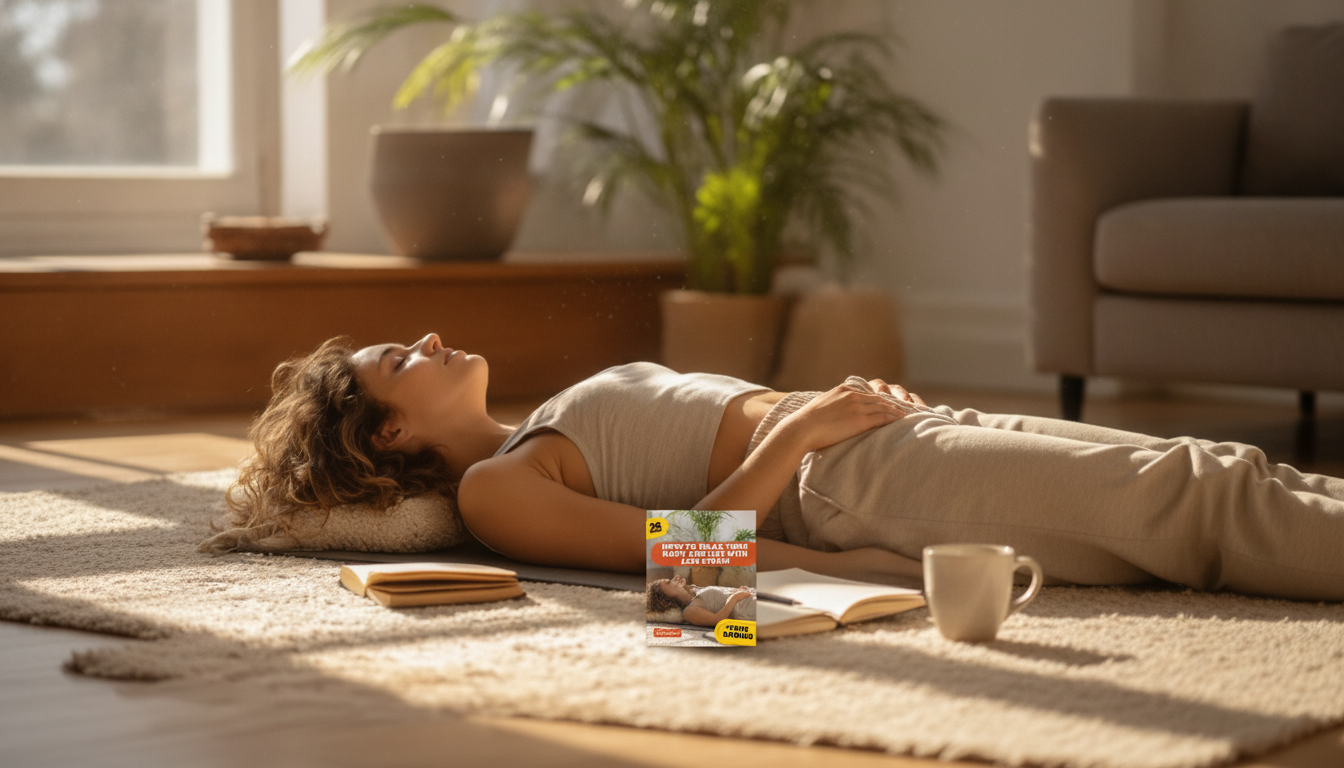
How To Relax Your Body And Live With Less Stress
Stress often shows up in the body first—tight shoulders, shallow breathing, jaw clenching, restless sleep. The fastest path to feeling better is usually physical: reset the nervous system, soften muscle tension, and build small daily habits that make calm easier to access. The steps below focus on quick relief plus steady, sustainable routines for days when life feels too full.
Start with a 2-minute body reset
When stress spikes, the goal isn’t to “fix” everything—it’s to interrupt the body’s alarm loop. Try this short sequence anywhere (desk, car, couch) and keep it deliberately simple.
- Do a quick scan from forehead to feet and label sensations (tight, heavy, warm, buzzing) without trying to change them.
- Drop the tongue from the roof of the mouth and unclench the jaw; relax the area around the eyes.
- Try the “physiological sigh”: inhale through the nose, top up with a short second inhale, then long slow exhale through the mouth; repeat 2–5 times.
- Release the shoulders by lifting them toward the ears on an inhale and letting them fall on the exhale for 5 rounds.
- If hands feel restless, press palms together for 10 seconds, then release and notice the difference.
If you want a guided version you can repeat daily, How To Relax Your Body And Live With Less Stress is a practical prompt-based companion for building consistency without turning relaxation into another task.
Breathing patterns that calm the nervous system
Breathing is one of the fastest ways to signal safety to the body. A useful rule of thumb: make the exhale a little longer than the inhale. That gentle “downshift” helps nudge the nervous system toward rest.
- Use longer exhales than inhales to cue the body toward rest (example: inhale 4, exhale 6).
- Try box breathing (4-4-4-4) for focus; switch to 4-7-8 or 4-6 for winding down.
- If anxiety spikes, keep counts small (inhale 3, exhale 5) to avoid feeling air-hungry.
- Pair breathing with a gentle cue: one hand on chest, one on belly, letting the belly move first.
- Practice once during calm moments daily so it’s easier to access under pressure.
Quick calming techniques by situation
| Situation | What to do | How long | What it helps |
|---|---|---|---|
| Racing thoughts | Physiological sigh x 3, then exhale-focused breathing (4 in / 6 out) | 2–4 minutes | Downshifts arousal; reduces mental noise |
| Tight chest or shallow breathing | Hand-on-belly breathing; slow nasal inhale, long mouth exhale | 3–5 minutes | Encourages fuller breathing and relaxation |
| Overstimulation (noise, screens) | Look at a distant point; soften gaze; slow breathing | 1–3 minutes | Reduces sensory load |
| Pre-sleep tension | 4-7-8 breathing + shoulders/jaw release | 5–8 minutes | Eases tension and supports sleep onset |
| Midday slump | Box breathing (4-4-4-4) + brief stretch | 2–5 minutes | Improves steady focus without caffeine |
Unwind muscle tension with simple releases
Stress often “hides” in predictable places. Think of these as low-effort exits ramps for bracing patterns—no deep stretching required.
Use the senses to signal safety
For more evidence-based approaches to relaxation techniques (including breath control and muscle relaxation), the Mayo Clinic overview is a solid reference point.
Build a low-stress day with small anchors
If evening tension is a recurring problem, prioritizing sleep cues matters. The National Institute of Neurological Disorders and Stroke explains why sleep is foundational for recovery and regulation in Getting Better Sleep.
Reset the mind by calming the body first
Communication stress is a common trigger for body tension (tight throat, held breath, clenched jaw). If that’s a pattern, Speak Up, Shine Bright: Unlocking Confident Communication offers practical tools that can reduce the “anticipatory stress” that builds before meetings and tough conversations.
A practical guide to make it stick
- Pick two tools: one for fast relief (2-minute reset) and one for daily maintenance (evening routine).
- Track outcomes, not perfection: notice sleep quality, shoulder tension, irritability, and focus.
- Reduce friction: keep a water bottle nearby, set a stretch reminder, place calming cues where stress happens.
- Plan for hard days: write a short “if-then” list (If panic rises, then physiological sigh x 3).
- Use a structured prompt: How To Relax Your Body And Live With Less Stress can function like a daily practice guide when you want step-by-step support.
Also consider reducing background friction at home—cluttered, high-traffic areas can quietly raise stress. Clear Pathways: Mastering High-Traffic Spaces at Home focuses on practical routines that make your environment feel easier to move through (physically and mentally).
For broader context on how stress affects health—and why it’s worth addressing early—see the World Health Organization’s Q&A on stress.
FAQ
What is the fastest way to relax the body when stress hits?
Do a quick body scan, unclench your jaw and shoulders, then do 2–5 rounds of the physiological sigh. Follow with a longer-exhale breathing pattern (like 4 in, 6 out) to keep your body in a calmer gear.
How can stress be reduced when there’s no time for a long routine?
Use micro-breaks in transitions: three slow breaths before a meeting, a 60-second shoulder drop, and a short walk if possible. A consistent 5-minute wind-down at night also prevents stress from carrying into sleep.
Why does the body stay tense even after the stressful moment passes?
Your nervous system can remain activated, and muscle bracing plus shallow breathing can become habitual even when the threat is gone. Gentle movement, longer exhales, and reliable sleep cues help signal safety so the body can let go.







Leave a comment