Pro Car Valuation: Price Your Car Before You Sell or Trade
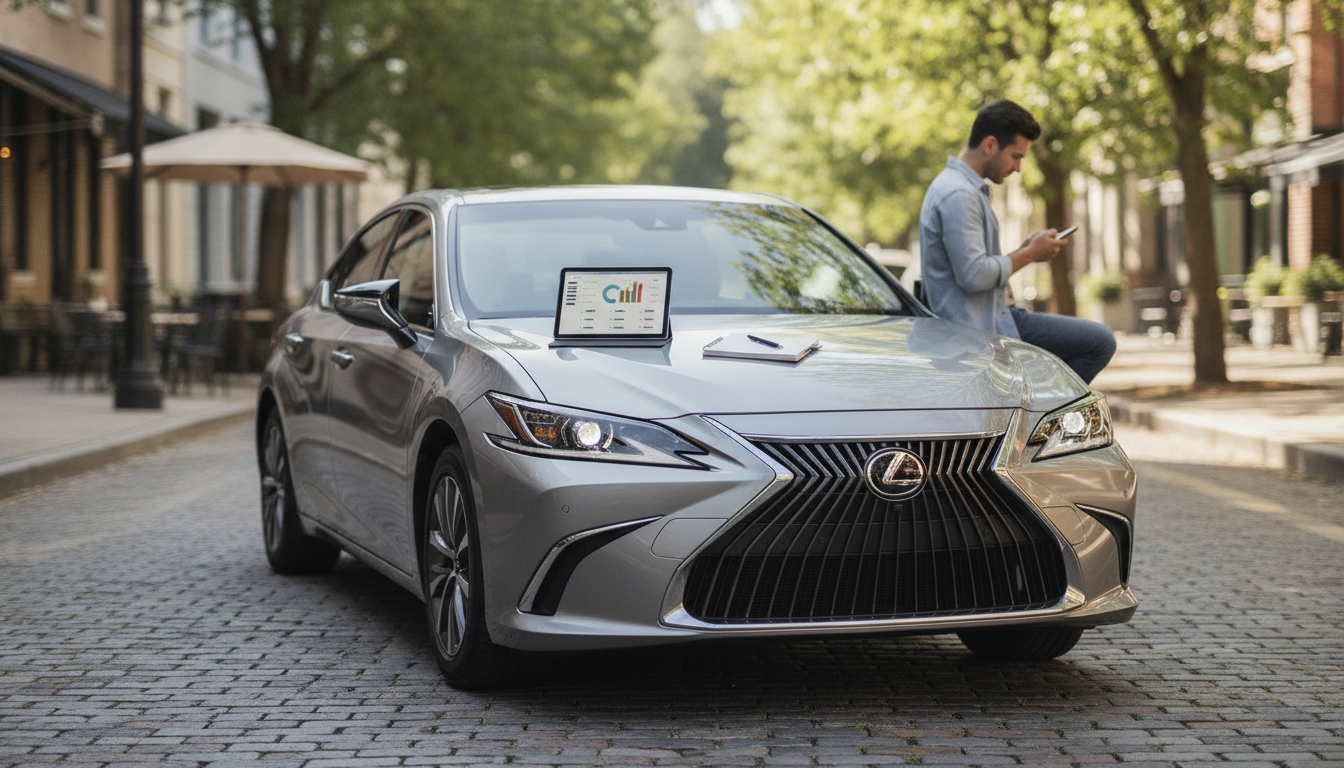
How to Value Your Car Like a Pro Before Selling or Trading
A strong car valuation comes from combining real-market data with an honest condition review and a clear plan for selling privately or negotiating a trade-in. Use the steps below to estimate a realistic price range, document the car’s strengths, and avoid common valuation traps that shrink offers.
Start With the Basics That Control Price
Before you look at a single listing, lock down the exact details that buyers and dealers use to price your vehicle. Small differences—like trim level, drivetrain, or a factory package—can move the number more than most owners expect.
- Identify the exact year, make, model, trim, engine, drivetrain, and key packages; small trim differences can move value significantly.
- Record mileage, title status (clean, rebuilt, salvage), number of owners, accident history, and service records.
- Note region and seasonality: demand shifts by climate (AWD in snow states) and time (convertibles in spring/summer).
- Separate “must-fix” issues from cosmetic flaws to keep the valuation realistic and negotiation-ready.
Build a Market Snapshot Using Multiple Price Lenses
One price tool or one listing page can’t capture the full market. The most defensible valuation comes from stacking multiple “lenses” and narrowing them to truly comparable vehicles near your location.
- Pull at least three reference points: private-party asking prices, dealership retail listings, and trade-in/wholesale style estimates.
- Compare only to near-identical comps (trim, mileage band, options, drivetrain) within a reasonable distance from the zip code.
- Filter out outliers: unusually cheap listings may hide title issues; high listings may be stale or overpriced.
- Use a price range rather than a single number to reflect negotiation room and condition uncertainty.
Car Valuation Snapshot Worksheet
| Source type | Where to look | What it represents | How to use it |
|---|---|---|---|
| Private-party listings | Local marketplaces, classified sites | What buyers are currently asking | Create a realistic starting price, then plan negotiation room |
| Dealer retail listings | Dealer sites, listing aggregators | Retail pricing after reconditioning and warranty markup | Use as a ceiling; subtract likely reconditioning costs and dealer margin |
| Trade-in estimates | Pricing tools and dealer appraisals | Wholesale value a dealer can resell for profit | Set expectations for trade; compare to offers from multiple dealers |
| Recent sold results | Auction summaries, “sold” filters where available | What similar cars actually sold for | Use to validate your range and spot overpricing |
For pricing tools, cross-check your numbers with recognized references such as Kelley Blue Book Car Values and NADA Guides by J.D. Power. Treat them as benchmarks, then let local comps and condition decide where you land.
Grade Condition Like an Appraiser (Not Like an Owner)
Condition is where valuations swing the most—and where bias sneaks in. Assume a buyer will notice every issue you ignore, and assume a dealer will price every risk into the offer.
- Exterior: paint condition, rust, dents, glass condition, and evidence of repainting; photograph every panel in good light.
- Interior: seat wear, odors, electronics, warning lights, and climate control performance; confirm all features work.
- Mechanical: tires (brand and tread depth), brakes, suspension noises, fluid leaks, battery age, and any drivability concerns.
- Maintenance proof boosts value: organize receipts, dealer service history, and a clear timeline of major services.
- If uncertainty exists, consider a pre-sale inspection; a clean report can support a higher price and reduce haggling.
Account for Value-Boosters and Value-Reducers
Two cars can be “the same model” and still trade thousands apart. To keep your range realistic, list what helps and what hurts, then decide whether each item changes your asking price or simply changes how fast the car will sell.
Choose a Selling Path and Adjust the Target Number
As you evaluate the process, consumer guidance from the Federal Trade Commission: Buying and Owning a Car is useful for understanding paperwork, disclosures, and common pitfalls.
Negotiation Prep That Protects Your Valuation
Common Valuation Mistakes to Avoid
Helpful Resource for a Step-by-Step Valuation Plan
For a printable workflow, checklists, and a repeatable method to calculate a defensible price range, use How to Value Your Car Like a Pro Before Selling or Trading – Ultimate Guide to Car Valuation for Sale or Trade-In before listing or visiting dealerships.
If you’re organizing your sale documents and household flow during the selling process, these additional guides may help with planning and presentation: Clear Pathways: Mastering High-Traffic Spaces at Home | How to Keep High Traffic Areas Clear | Home Organization Guide for Clutter-Free Living and Speak Up, Shine Bright: Unlocking Confident Communication – A Practical Guide on how to build confidence in communication skills for Work, Life & Leadership.
FAQ
What’s the difference between private-party value and trade-in value?
Private-party value reflects what an end buyer might pay, while trade-in value reflects a dealer’s wholesale-based offer after factoring reconditioning costs, market risk, and profit margin. Both can be “correct” because they’re tied to different selling paths and convenience levels.
Should repairs be done before selling or trading in?
Fix safety issues, warning lights, and low-cost items that improve first impressions (wipers, bulbs, a basic detail). For expensive repairs, compare the repair cost to the likely increase in your sale price—big fixes often don’t pay back fully, especially on trade-ins.
How can a fair price range be set if local listings vary a lot?
Narrow comps aggressively by trim, drivetrain, options, and a tight mileage band, then remove outliers that look suspicious or stale. When available, use sold results to anchor reality and set a minimum/target/stretch range based on your car’s condition grade.











Leave a comment