New Kitten First Days: Calm Setup & Stress Signs
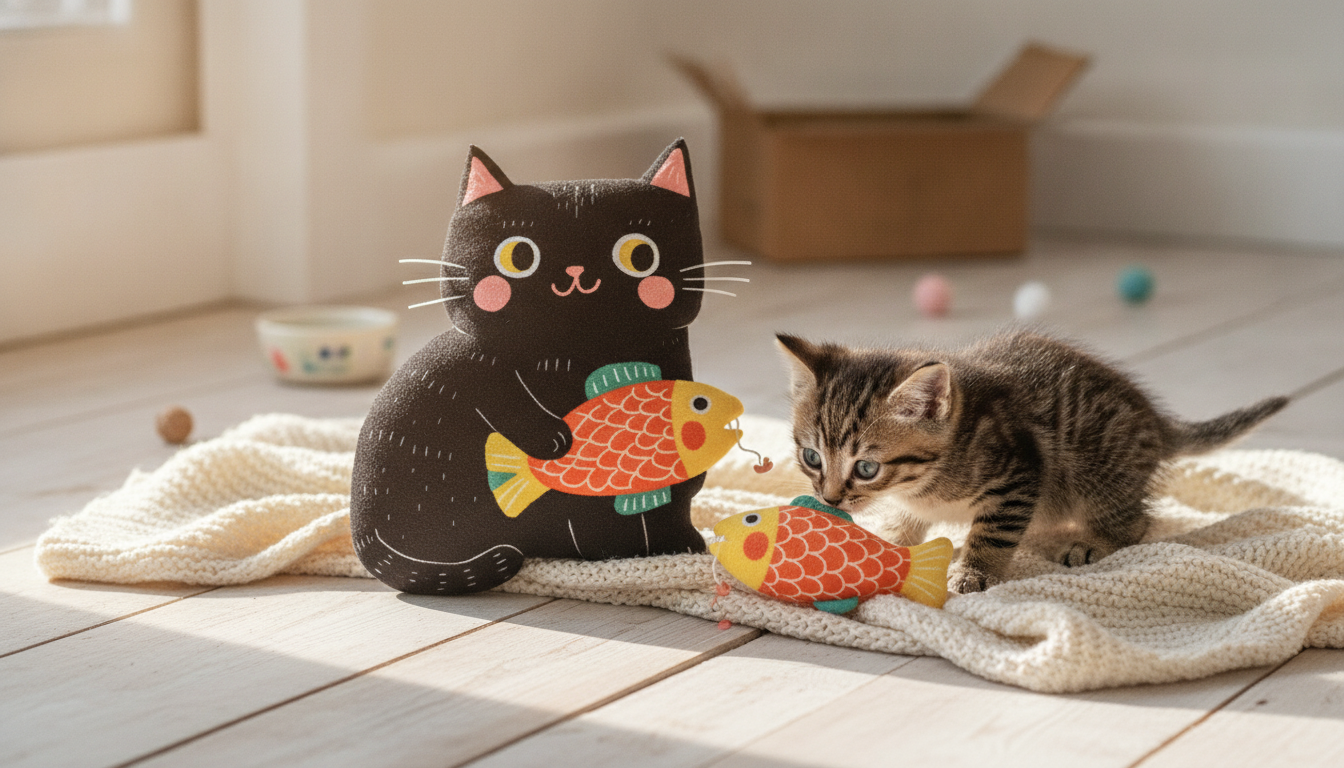
Calm & Curious: Helping a New Kitten Feel Safe in the First Days at Home
The first days in a new home can feel overwhelming for a kitten: new smells, new people, new sounds, and unfamiliar routines. A gentle setup and predictable handling can reduce stress, support healthy socialization, and prevent common early problems like hiding, litter box avoidance, and fear of touch. Below is a simple, kitten-centered plan for the first 72 hours and beyond—built around safety, consistency, and small wins.
What “stress” looks like in a kitten (and what it can lead to)
Kittens often show stress in quiet ways before it becomes obvious. You might see hiding, freezing, trembling, flattened ears, dilated pupils, decreased appetite, excessive vocalizing, pacing, or sudden swatting when approached. Some kittens “shut down” instead—very still, quiet, reluctant to explore, avoiding eye contact, and staying in one corner for long stretches.
Stress can also show up fast in the litter box: not using it, going near (but not in) the box, or choosing hidden areas. Digestive upset can happen during change, including soft stool, constipation, or occasional vomiting; if symptoms persist, it’s worth a veterinary call. Most importantly, early stress can shape social confidence—low-pressure interactions help keep fear from becoming the default setting.
Quick guide to kitten stress signs and first responses
| What you notice | What it may mean | What to do now |
|---|---|---|
| Hiding constantly and refusing to explore | Overwhelmed by space/noise/smells | Reduce territory to one quiet room, add a covered hide, sit nearby and read softly; avoid forced handling |
| Not eating for 12–24 hours (but alert) | Anxiety, unfamiliar food, new environment | Offer same food as previous home if possible, warm food slightly, feed in a quiet corner; contact vet if 24 hours or lethargic |
| Hissing/swiping when approached | Fear of proximity/fast hands | Approach sideways, pause at distance, toss treats, use wand toy; let kitten initiate contact |
| Meowing at night | Loneliness, disorientation | Keep a cozy sleep spot, consistent bedtime routine, gentle play before bed, soft white noise; avoid rewarding constant crying with attention every time |
| Accidents outside litter box | Stress, box aversion, location confusion | Add a second box, keep it uncovered and easy to access, use unscented litter, clean accidents with enzymatic cleaner |
Set up a “safe room” that makes bravery easy
For the first 2–3 days, a small, quiet room helps a kitten feel secure faster than “the whole house.” Fewer surprises means your kitten can start mapping the space, learning your routine, and relaxing their body language.
- Keep essentials in predictable zones: food and water far from the litter box; a bed/hide nearby; a scratching surface; and a couple of simple toys.
- Add covered and vertical options: a cardboard box with a blanket, an open carrier with bedding, or a covered bed creates “safe caves.”
- Limit overwhelm: keep TV volume low, avoid crowds, and introduce one new person at a time.
- Use scent strategically: if you have a cloth that smells like their previous space, place it in the bed; avoid strong cleaners or perfumes in the room.
If your space tends to get cluttered, clearing floors and corners reduces hiding “dead ends” and makes litter box access easier. A simple declutter pass can help the room feel calm and navigable.
The first 72 hours: a calm timeline for food, play, and rest
Think of the first three days as “settle, then socialize.” You’re not rushing affection—you’re building predictability.
Gentle socialization without overwhelming your kitten
Comfort tools that reduce stress (without relying on guesswork)
For more general cat care guidance, see the American Veterinary Medical Association (AVMA) cat care resources and International Cat Care’s “bringing home a new cat” advice.
When to call a veterinarian
Printable support for the first week: Calm & Curious digital guide
If you’d like a structured, low-pressure plan you can keep on your phone or print for the fridge, the Calm & Curious: Managing Kitten Stress in Their First Days (printable digital guide) walks through safe room setup, gentle socialization pacing, and simple comfort routines—especially helpful when you’re tired and trying to stay consistent.
Keeping the safe room calm and uncluttered can also make daily care easier (feeding, litter checks, and slow introductions). If you want a quick, practical system for clearing walkways and keeping “high traffic” spots tidy, Clear Pathways: Mastering High-Traffic Spaces at Home can help you set up the space so your kitten’s essentials stay easy to reach.
What’s inside the Calm & Curious guide (at a glance)
| Section | Helps with | Best time to use |
|---|---|---|
| First-day setup checklist | Preventing overwhelm and hiding | Before arrival + first evening |
| Gentle handling steps | Reducing fear of touch and building trust | Days 2–7 |
| Comfort routine planner | Better sleep and steadier behavior | First week |
| Troubleshooting stress signals | Responding early to common setbacks | Any time signs appear |
FAQ
How long does it take a kitten to adjust to a new home?
Many kittens begin exploring within 24–72 hours, but full comfort can take 1–2 weeks depending on temperament, age, and how calm the environment is. A small safe room and consistent routines usually speed up confidence.
Should a scared kitten be left alone or handled often?
Avoid forced handling at first. Quiet presence, treat pairing, and letting the kitten initiate contact builds trust, then you can add brief, positive touches that end before the kitten feels trapped.
What if my kitten won’t eat on the first day?
Offer the same food used previously if possible, serve a small portion in a quiet corner, and keep visitors and noise minimal. Contact a vet if your kitten won’t eat for 24 hours or seems lethargic or unwell.












Leave a comment