Low-Waste Laundry Checklist: Easy Eco Wash-Day Routine
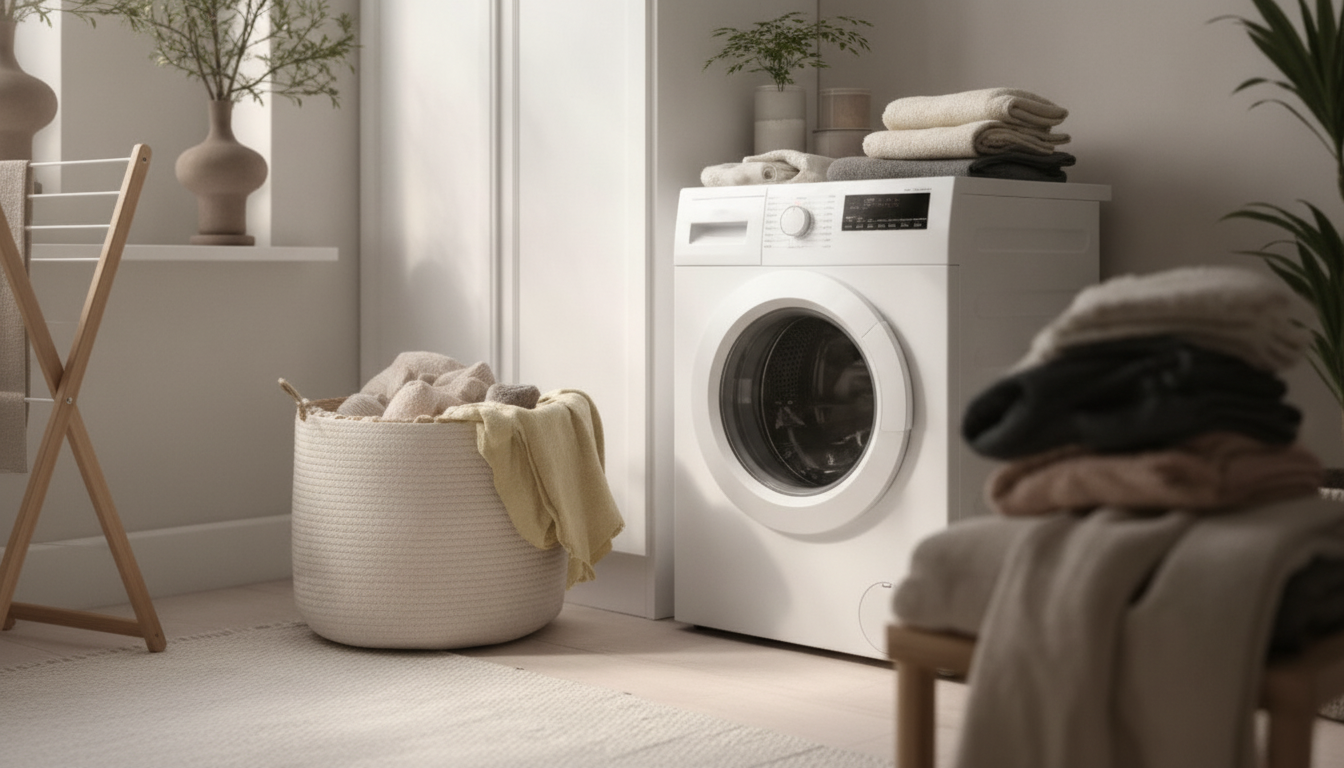
Low-Waste Laundry Routine Checklist: A Practical, Eco-Friendly Wash Day Plan
A low-waste laundry routine cuts down on packaging, microfibre shedding, water and energy use, and the “laundry shelf clutter” that builds up over time—without lowering your clean-clothes standards. The simplest way to make it stick is to treat laundry like a set of quick decision points: sort, pre-treat, wash, dry, and store. Below is a printable-style plan you can follow on repeat, then tweak based on what your household actually wears. For more guidance, see The Ultimate Guide to an Eco-Friendly and Sustainable Laundry ….
What “low-waste laundry” looks like in daily life
Low-waste laundry isn’t an all-at-once makeover. It’s a steady shift toward fewer products, fewer re-washes, and more efficient cycles. For further reading, see 8 Ways to Green Your Laundry Routine – Sierra Club.
- Keep what already works, then swap one category at a time (detergent format, stain care, drying method).
- Reduce laundry frequency by airing out, spot-cleaning, and re-wearing when appropriate.
- Choose durable tools that replace disposables (a reusable stain brush, washable lint tool, drying rack).
- Prioritize the biggest impact steps first: cold washes, full loads, and efficient drying.
For evidence-backed efficiency tips, resources like ENERGY STAR’s clothes washer guidance and the EPA’s WaterSense water-efficiency tips are helpful reference points.
Set up a low-waste laundry station (5-minute reset)
A “laundry station” is just a small, consistent setup that prevents overpouring detergent, losing delicates, and buying last-minute single-use items.
- Create one “laundry kit” container: detergent, stain remover, measuring scoop, delicates bag, dryer balls (if used), and a small brush.
- Add a small jar or tin for lost buttons, coins, and repair items to keep them out of the trash.
- Keep a simple hamper system: lights/darks/delicates (or one hamper plus a quick sort step).
- Place a reminder card near the machine: cold wash default, full load target, and line-dry priorities.
Laundry station essentials: keep, replace, avoid
| Category | Low-waste option | Notes |
|---|---|---|
| Detergent | Concentrated powder or refillable liquid | Prefer minimal packaging and accurate dosing to prevent buildup |
| Stain care | Bar soap, oxygen-based booster, or targeted pre-treat | Pre-treat small areas to avoid re-washing whole loads |
| Laundry bags | Reusable delicates bags | Protects synthetics and extends garment life |
| Drying | Drying rack or line + towels for speed | Use dryer for heavy items only when needed |
| Fabric softener sheets | Skip or use wool dryer balls | Reduce residues on fabric and packaging waste |
| Lint & hair | Reusable lint brush / washable tools | Avoid single-use adhesive rollers |
The checklist routine: before washing
Think of “before washing” as the stage where you prevent waste. A few seconds here can save a full re-wash later.
- Sort by fabric needs first (delicates, towels/linens, everyday cottons) before sorting by color if needed.
- Check pockets and close zippers to reduce damage and lint.
- Pre-treat stains right away with a small amount of product and gentle agitation; let sit 10–30 minutes.
- Aim for full loads while avoiding overfilling; leave space for water circulation.
- Choose the lowest effective temperature; default to cold unless hygiene needs require warmer settings.
The checklist routine: washing (low energy, low residue)
The wash cycle is where most “invisible waste” shows up: excess detergent, extra rinses, and unnecessarily long cycles. Dialing this in makes every load cleaner and easier to dry.
- Use the correct dose; overdosing increases residue and may require extra rinsing.
- Select eco/short cycles when the load is lightly soiled; save heavy cycles for truly dirty items.
- Add an extra rinse only when needed (sensitive skin, heavy detergent buildup), not as default.
- Wash synthetics in a bag when practical to reduce fibre shedding; skip high spin on delicate items when possible.
- Keep machine efficiency high: run periodic maintenance washes per manufacturer instructions and clean the filter.
If you’re optimizing energy use across the home, broader guidance from the International Energy Agency (IEA) on energy efficiency can help you prioritize changes that matter most.
The checklist routine: drying with less waste and wear
Drying choices can either extend garment life or quietly shorten it. Air-drying is usually the gentlest option, but the best low-waste plan is flexible and realistic.
After-laundry habits that cut waste all week
A simple weekly plan (so laundry doesn’t pile up)
Example weekly low-waste laundry plan
| Day | Load | Low-waste focus |
|---|---|---|
| Tuesday | Everyday clothing | Cold wash, accurate dosing, hang-dry delicates |
| Friday | Workout/activewear | Wash in a bag, avoid overdrying, air out between wears |
| Sunday | Towels + linens | Full load, efficient drying, clean dryer lint trap/filter |
Printable-style routine support for consistent habits
Helpful routine tools (digital guides)
- Low-Waste Laundry Routine Checklist (digital download)
- Clear Pathways: Mastering High-Traffic Spaces at Home (to keep laundry zones clear so clothes don’t migrate into walkways)
FAQ
What are the easiest changes for a lower-waste laundry routine?
Start with cold washes, full loads, and correct detergent dosing, then air-dry items that don’t truly need the dryer. After that, swap one product category at a time (like detergent format or stain care) to reduce packaging without disrupting your routine.
Is powder detergent more eco-friendly than liquid detergent?
Often, concentrated powders can reduce water weight in shipping and come in simpler packaging, but the better choice depends on what’s available locally and how accurately it’s dosed. Whatever you choose, using the smallest effective amount is what prevents residue and extra rinsing.
How can laundry be greener if a dryer is still necessary?
Use the dryer strategically: dry similar fabric weights together, avoid overdrying, and clean the lint trap every cycle. Even line-drying just delicates or half a load can noticeably cut energy use while reducing wear on clothes.










Leave a comment