Safer Solo Travel: Compare Countries Like a Pro
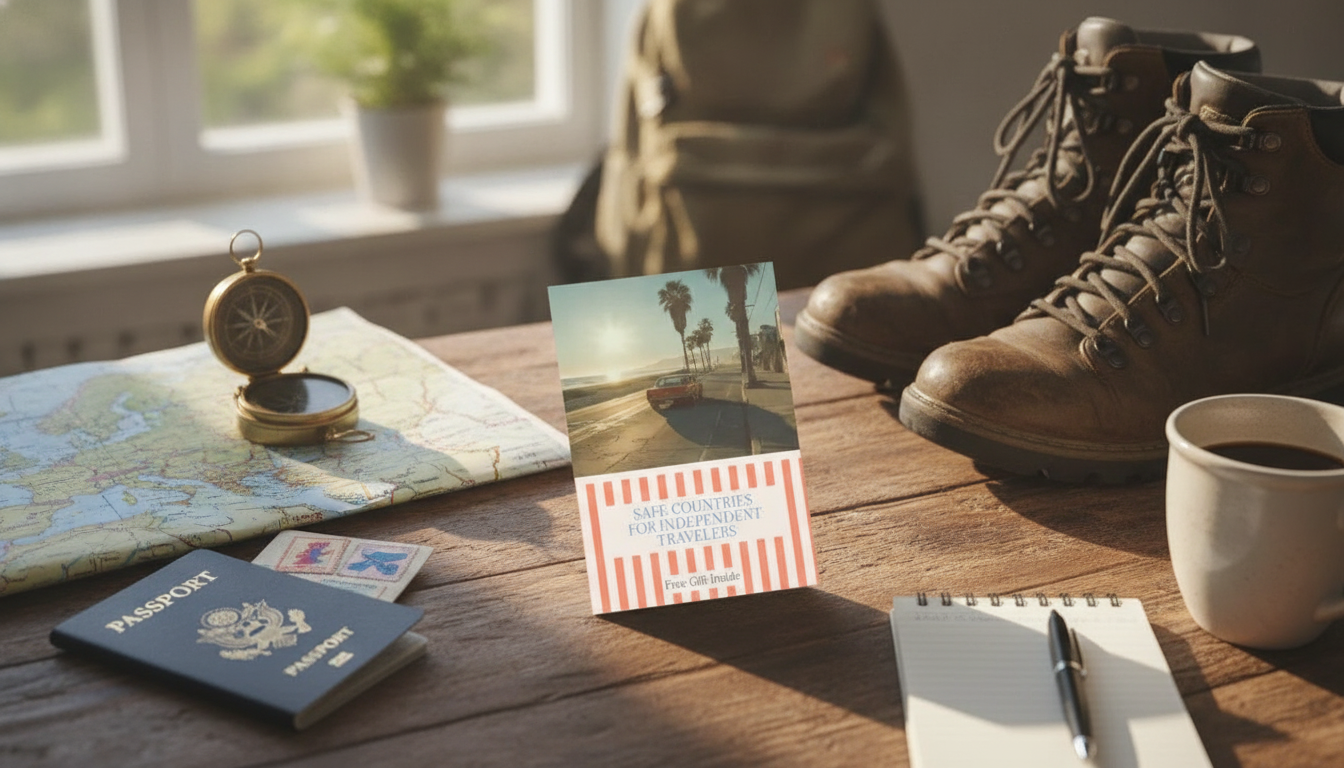
What “Safe” Means for Independent Travelers
For independent travelers, “safe” is rarely a single statistic. It’s a layered mix of personal crime risk, transportation reliability, health infrastructure, and the everyday likelihood of scams, harassment, or getting stranded when plans change.
Solo travel adds variables: self-directed airport transfers, flexible schedules, and fewer built-in guardrails than guided group tours. That doesn’t make a place “unsafe”—it just means situational awareness and planning carry more weight than a destination’s reputation alone.
Safety is also personal. One traveler’s comfort zone includes late-night metro rides and street food in busy markets; another prefers early evenings, private rooms, and door-to-door rides. Your “safety threshold” may depend on language barriers, driving norms, alcohol culture, budget accommodation tolerance, and how comfortable you feel navigating unfamiliar neighborhoods.
A balanced approach helps: start with big-picture indicators and advisories (like the U.S. Department of State Travel Advisories and the Global Peace Index), then narrow down with trip-specific realities like arrival time, station areas, and neighborhood selection.
A Quick Framework for Choosing a Safer Solo Destination
When you want freedom without constant second-guessing, it helps to choose destinations that make “doing the right thing” easy.
- Start with non-negotiables: entry requirements, political stability, and realistic healthcare access for the season you’re traveling.
- Look for solo-friendly infrastructure: reliable public transit, walkable cores, clear signage, and abundant reputable accommodations.
- Evaluate connectivity and support: easy SIM/eSIM options, solid coverage, and access to consulates/embassies in-region.
- Check common incident patterns: typical pickpocket zones, nightlife scams, ride-hailing risks, and tourist-area overcharging.
- Plan for arrival safety: aim for daytime arrivals, pre-book transport, and choose lodging with 24/7 check-in when possible.
Common Traits of the Best Solo Travel Destinations
Many consistently solo-friendly destinations share the same “friction reducers”—the things that keep minor issues from becoming big problems.
- Low violence plus predictable rule-of-law: even in busy areas, norms are clear and policing is consistent.
- Efficient intercity travel: dependable trains/buses, clear timetables, and stations that feel navigable (and not isolated).
- Culture of solo activities: cafés, museums, parks, and day trips where solo presence is normal and comfortable.
- Solid accommodation standards: secure entry, lockers/safes, and staff that are responsive when plans change.
- Accessible help: English-friendly emergency pathways or strong translation support when you need it quickly.
Shortlist of Safer Regions and Example Countries to Consider
“Safe countries” lists can be misleading without context, but some regions are known for strong public services and traveler-friendly logistics. Use these as a starting point, then validate the specific cities and routes you’ll use.
For an extra data point when you’re comparing general crime perceptions, a quick scan of the Numbeo Crime Index by Country can help you identify where to do deeper city-level checks (treat it as directional, not definitive).
Comparison Matrix: How to Evaluate Countries Side-by-Side
| Criteria | What to Look For | Quick Checks Before Booking |
|---|---|---|
| Personal security | Low violent crime, predictable tourist-area risks (petty theft/scams) | Recent travel advisories; city-level crime notes; common scams in top districts |
| Transport safety | Reliable public transit, safe stations, regulated taxis/ride-hailing | Night arrival plan; station neighborhood review; official airport transfer options |
| Healthcare access | Quality hospitals/clinics and clear emergency pathways | Insurance coverage match; nearest hospital to lodging; pharmacy availability |
| Connectivity | Affordable SIM/eSIM, strong coverage, widespread Wi‑Fi | eSIM compatibility; coverage maps; offline maps downloaded |
| Solo comfort | Solo dining culture, friendly public spaces, clear norms | Neighborhood vibe checks; late-night café/transit availability; women/solo traveler reports |
Practical Safety Habits That Travel Well Anywhere
A Faster Way to Decide: The Digital eBook for Independent Travelers
If building a shortlist feels like opening 40 tabs and still not feeling sure, a structured tool can help you decide faster and with less stress. The Safe Countries for Independent Travelers digital eBook is designed to organize destination research into a repeatable decision method—especially useful when you’re planning independent transit, flexible days, and multiple cities.
Helpful add-ons for independent travel readiness
- Speak Up, Shine Bright: Unlocking Confident Communication for practicing clear boundary-setting and confident communication on the road.
- Coffee-Ready Cozy – What to Wear for Coffee Meetups Checklist for low-effort outfit planning when you want to keep things simple and blend in comfortably at cafés.
FAQ
What are the safest countries for solo travelers?
“Safest” depends on your travel style and comfort threshold, so it’s smarter to start with high-ranking peace/safety indicators and strong infrastructure, then verify city-level realities like neighborhoods, transit routes, and common scams. A short list built from multiple sources is more reliable than any single ranking.
How can solo travelers compare destinations without over-researching?
Use a simple scoring matrix (personal security, transport safety, healthcare access, connectivity, and solo comfort), then only deep-check the top few contenders. Confirm your finalists with official advisories and a handful of very recent traveler reports that match your itinerary and season.
Is solo travel safe for beginners?
Yes—many beginners travel safely by choosing infrastructure-rich destinations, planning arrivals carefully, staying in well-reviewed areas, and sticking to consistent habits around documents, connectivity, and check-ins. Starting with one or two “easy logistics” cities can build confidence quickly.









Leave a comment