Create a Cozy Home Mood: Warm Light, Texture, Calm
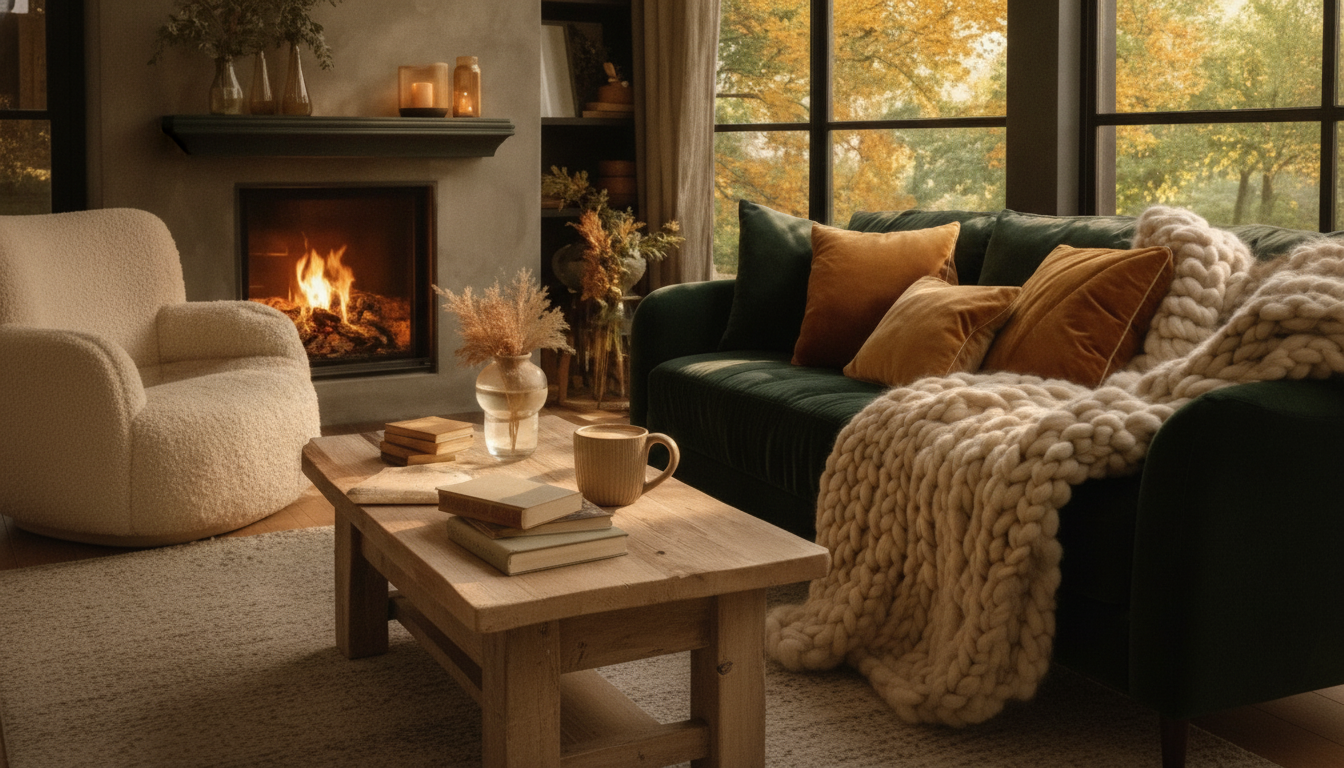
Home Warmth That Feels Like a Hug: A Gentle Plan for a Cozier, Calmer Space
Cozy isn’t a style trend—it’s a feeling. A home that feels like a hug is built through small, repeatable choices: softer light, comforting textures, welcoming scents, and simple routines that lower the “noise” in a room. The best part is that cozy can shift with your day—brighter and lighter in the morning, warmer and quieter at night—without requiring a full makeover. For more guidance, see 6 Designer-Approved Ways to Make Your Home Feel Calmer.
What “Cozy Mood” Really Means (and Why It Works)
“Cozy” is a blend of comfort, safety, warmth, and ease. It’s less about matching décor and more about how a space supports your nervous system when you walk in. For further reading, see 8 Expert Design Tips To Create A More Relaxing Home – BuzzFeed.
Most cozy cues are sensory: lighting that doesn’t glare, fabrics that feel good on skin, sound that doesn’t distract, scent that signals calm, and visual simplicity that gives your eyes a place to rest. When those cues work together, the whole room feels softer—even if the furniture hasn’t changed.
Small changes create immediate impact because they address the first things you notice: the brightness overhead, the chill of a bare floor, the clutter at eye level, or the echo in an empty corner. Start with one lever, then stack the next when it feels natural.
Start With Light: The Fastest Way to Soften a Room
Lighting is the quickest “mood switch” in a home. Aim for layered lighting: ambient (overall glow), task (focused utility), and accent (small pools of warmth). This layering adds depth and makes a room feel welcoming rather than flat.
- Go warmer when possible—especially in the evening. Cooler light can feel energizing, which is helpful at noon but often too sharp at night. The Cleveland Clinic notes that blue light can interfere with sleep patterns, so reducing harsh, cool lighting later in the day can support a calmer wind-down. https://health.clevelandclinic.org/blue-light
- Avoid “overhead-only” living. Even one table lamp can change the room’s tone by reducing glare and creating a softer perimeter glow.
- Use candles or flameless candles thoughtfully. If using real flame, keep them away from drafts, curtains, and clutter, and never leave them unattended. For practical safety reminders, follow guidance from the U.S. Fire Administration. https://www.usfa.fema.gov/prevention/home-fires/prevent-fires/candles/
- Add reflective warmth with lampshades, warm-toned walls, and soft textiles that diffuse light instead of bouncing it harshly.
Quick lighting swaps for a warmer feel
| Area | Swap | Result |
|---|---|---|
| Living room | Add one table lamp with warm bulb | Less glare, more relaxation |
| Bedroom | Use bedside lights instead of overhead at night | Signals wind-down and rest |
| Entryway | Soft bulb + small accent light | Instantly welcoming arrival |
| Bathroom | Warm vanity lighting (not harsh white) | Calmer routines, less “clinical” feel |
Texture and Touch: Build Comfort You Can Feel
Texture is the cozy element your body understands immediately. Start by anchoring the room with one “soft zone”—a throw blanket and cushion pair, a plush rug, or a favorite chair that feels inviting.
- Mix textures for depth: think knit + linen + a velvet-like softness. Keep colors cohesive so the room feels calm rather than busy.
- Add comfort where the body lands: the sofa seat you actually use, the bedside, the kitchen spot where you drink water, or the corner where you scroll at night.
- Make cozy practical with washable layers: machine-wash throws, removable cushion covers, and an extra blanket you can rotate in weekly.
A useful rule: if the room has many hard surfaces (wood, tile, glass), introduce one soft element at each “height”—floor (rug), seat (throw/cushions), and eye level (curtain or fabric shade).
Scent and Sound: The Quiet Mood Shifters
Scent and sound often decide whether a room feels peaceful or overstimulating. Keep both simple and consistent.
The Cozy Reset: A 15-Minute Routine That Changes the Whole Room
Room-by-Room Cozy Cues (Without Buying a Lot)
If high-traffic clutter is what breaks the cozy spell most often, a simple system for keeping pathways and surfaces clear can make cozy “stick” longer. See Clear Pathways: Mastering High-Traffic Spaces at Home | How to Keep High Traffic Areas Clear | Home Organization Guide for Clutter-Free Living for a structured approach to those daily pile-up zones.
Make It Personal: Cozy as a Mood, Not a Theme
For a fun, real-life extension of the cozy mood beyond the home, a simple planning resource can make casual meetups feel just as warm and effortless. Try Coffee-Ready Cozy – What to Wear for Coffee Meetups Checklist | Effortless Café Outfit Planning Guide.
A Guided Cozy Blueprint (Digital eBook Option)
For a structured, quick-start format with checklists and room prompts, explore Home Warmth That Feels Like a Hug | A Digital Guide on How to Create Cozy Mood at Home | Cozy Living eBook (digital, instant access).
FAQ
How can a home feel cozy without redecorating?
Focus on the biggest mood levers: warm layered lighting, one soft “comfort zone,” a simple 10–15 minute reset, and reducing visual clutter at eye level.
What lighting creates the coziest feel at night?
Use warm, low-intensity lamps instead of overhead-only light, then add a small accent source (like a dim lamp or candle-style glow) to create depth and reduce glare.
How do small spaces stay cozy instead of cramped?
Keep pathways clear, limit visible clutter, and use fewer but softer layers—one rug, one throw, and a consistent color palette—while maximizing gentle, warm lighting.












Leave a comment