Dog Park Safety: Confident, Calm Visits & Play Signals
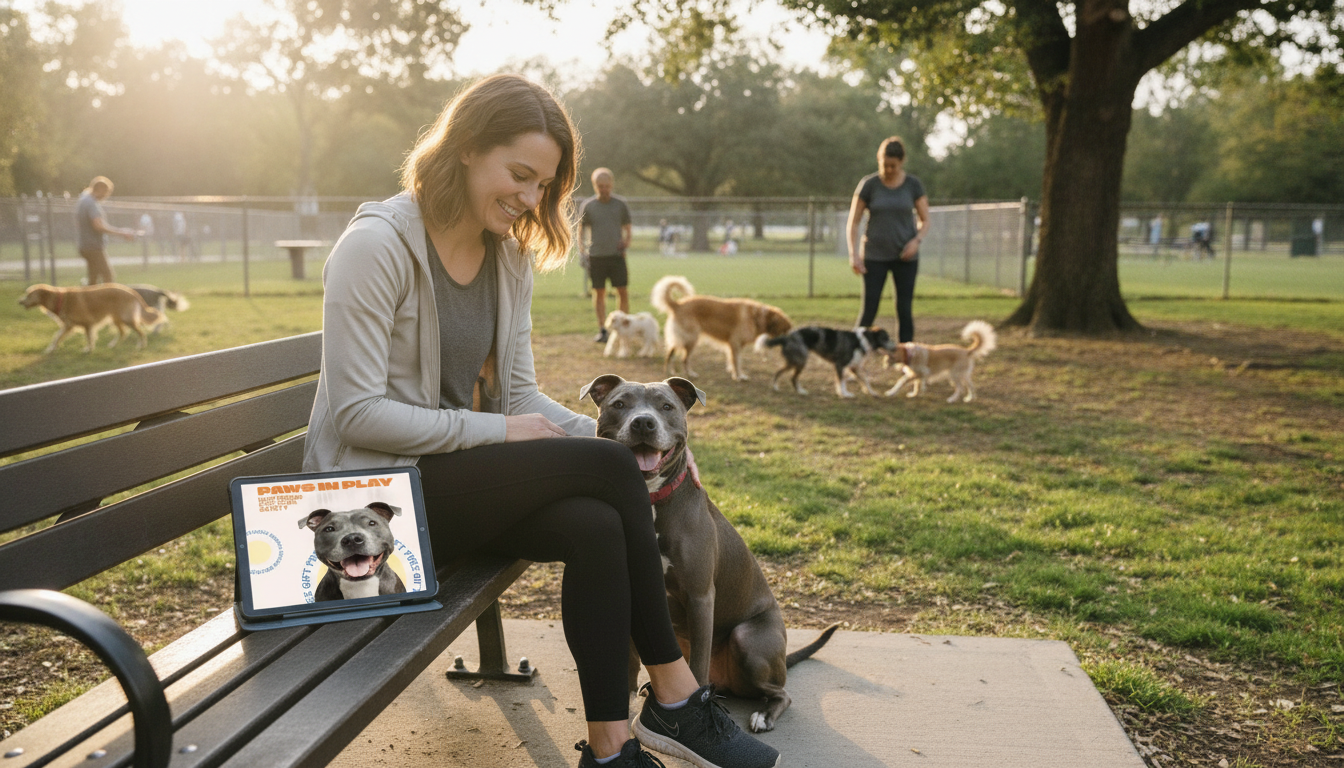
Paws in Play: Mastering Dog Park Safety for Confident, Stress-Free Visits
Dog parks can be an amazing outlet for exercise and social time—but they also concentrate unfamiliar dogs, people, and unpredictable moments in one space. A safer, calmer visit starts before the gate: choosing the right time, knowing what “good play” looks like, and having a plan for interrupting problems early. Use the steps below to reduce risk, advocate for your dog, and leave the park feeling good about the experience.
Before You Go: A 2-Minute Readiness Check
- Health basics: Keep vaccinations appropriate to local risk current, use parasite prevention, and skip the park if your dog is coughing, vomiting/has diarrhea, limping, or unusually lethargic. Shared water bowls and close contact can spread illness; the CDC’s pet health guidance is a solid baseline for everyday prevention.
- Energy level match: Avoid the park when your dog is overtired, wildly under-exercised (frantic arousal), or recovering from illness or injury. A short sniff walk first often helps your dog arrive with a calmer brain.
- Temperament fit: Dogs that guard toys/food, freeze or hide around other dogs, or react strongly to strangers often do better with structured playdates and gradual exposure before open park time.
- Gear checklist: Flat collar with ID, leash for entry/exit, poop bags, water, and a breakaway plan. Leave high-value food and favorite squeaky toys at home to reduce conflict.
- Training basics: Reliable recall, “let’s go,” “leave it,” and comfort with gentle handling (collar grabs, brief holds) make real-world moments safer.
Choosing the Right Park and the Right Moment
- Prioritize safer layouts: Clear posted rules, secure fencing, and a double-gated entry help prevent door-dashing. Separate small/large dog areas can reduce accidental collisions.
- Scan before entering: Count dogs, note the mix of sizes and ages, and watch whether play looks loose and bouncy—or tense and chaotic.
- Time strategy: Off-peak hours mean fewer dogs and more room to create distance. For new dog-park visitors, space is confidence.
- Weather and surface: Hot pavement and humidity increase heat stress; muddy or icy footing increases slips and body-check scuffles.
- Red flags outside the gate: Owners absorbed in phones, repeated mounting with no intervention, dogs body-checking or cornering others, or any dog persistently bullying.
For additional baseline park tips, the American Kennel Club’s dog park safety guidance is a helpful reference for what well-run parks tend to do consistently.
Reading Dog Play: What to Encourage vs. What to Interrupt
Great dog-park visits are built on reading play early—before you’re negotiating a problem at full speed.
- Encourage “good play”: Role reversals (chaser becomes chased), self-handicapping (bigger dog softens intensity), brief pauses, and loose, wiggly bodies.
- Interrupt early when intensity climbs: Hard stares, stiff posture, pinning without release, relentless chasing of a dog trying to escape, or repeated neck biting with no breaks.
- Watch for silent escalation: No growling doesn’t mean “fine.” Closed mouth, weight shifted forward, and a high, rigid tail can signal trouble.
- Give timid dogs an exit: Hiding behind people, tucked tail, pinned ears, repeated shake-offs, and lip licks often mean “please create space.”
- Don’t punish growls: A growl can be an important warning that prevents a bite; focus on reducing pressure and increasing distance.
Quick Body-Language Guide at the Dog Park
| Signal type | Common signs | What to do |
|---|---|---|
| Green (comfortable) | Loose body, curved approaches, play bows, bouncy movement, breaks in play | Allow play; praise calm check-ins; keep scanning |
| Yellow (getting intense) | Stiffening, faster/harder chasing, one-sided play, repeated mounting, crowding | Call your dog for a reset; walk away; ask for a pause |
| Red (stop now) | Hard stare, raised hackles with stiff posture, cornering, snapping, pinning without release, fight posture | Leave immediately; create distance; use calm interruption and exit |
Gate Etiquette and First 5 Minutes Inside
Common Risk Moments (and How to Handle Them)
Safe Interruption and Emergency Plan
The AVMA’s dog bite prevention resource is also worth reviewing, especially for understanding how fast situations can escalate and why early intervention matters.
Building Confidence Over Time: Short Visits, Clear Goals
A Practical Companion for the Park
If you prefer a step-by-step reference you can revisit before outings, Paws in Play: Mastering Dog Park Safety lays out preparation, play-reading, interruption strategies, and confidence-building routines in one place.
For owners who want to feel more comfortable advocating in the moment—asking for space, calling a reset, or choosing to leave—Speak Up, Shine Bright: Unlocking Confident Communication can help strengthen clear, calm communication habits that translate surprisingly well to busy public spaces.
FAQ
When should a dog avoid the dog park?
Avoid the dog park if your dog is sick (coughing, vomiting/diarrhea), injured, recovering from surgery, or at high risk for heat stress. Behavior-wise, fearfulness, resource guarding, poor recall, or repeated reactivity are strong signs to choose structured alternatives like sniff walks or controlled playdates while you build skills.
How can play be stopped before it turns into a fight?
Interrupt early with a cheerful call-away, “let’s go,” and movement that creates space, then give a short reset before letting play resume. If the same intense pattern repeats (mounting, pinning, relentless chasing), leaving is the safest decision.
What are signs that dog play is not mutual?
Non-mutual play often looks one-sided: one dog is always chasing, pinning, or crowding while the other tries to escape, hides behind people, or shows a tucked tail and avoidance. Step in, create distance, and give the stressed dog a clear exit route.










Leave a comment